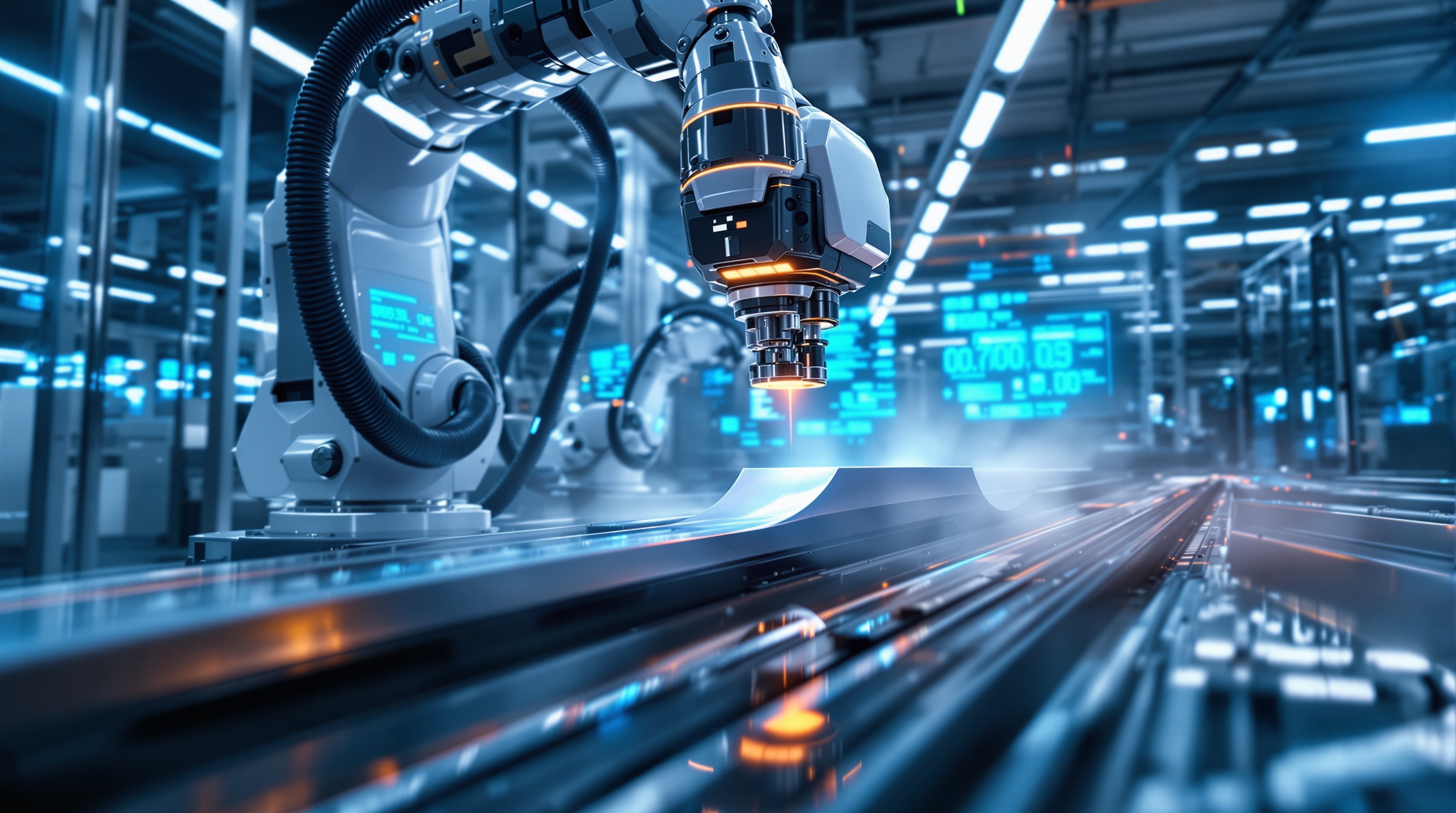
AI Manufacturing Quality Control: Boosting Automation & Efficiency
Discover how AI-driven quality control and smart factory tech optimize production, enable predictive maintenance, and advance Industry 4.0 in manufacturing.
- 1. Introduction
- 2. Current Challenges in AI Manufacturing Quality Control:
- 3. How Sparkco AI Transforms AI Manufacturing Quality Control:
- 4. Measurable Benefits and ROI
- 5. Implementation Best Practices
- 6. Real-World Examples
- 7. The Future of AI Manufacturing Quality Control:
- 8. Conclusion & Call to Action
1. Introduction
Have you ever wondered why a growing number of healthcare facilities are turning to artificial intelligence (AI) to enhance operational efficiency and care quality? In the ever-evolving landscape of skilled nursing facilities, integrating AI-powered systems is quickly becoming indispensable. As the healthcare industry moves towards digital transformation, the reliance on AI for quality control and process optimization is vital. Skilled nursing facilities face increased pressure to maintain high standards of patient care, and traditional methods often fall short in meeting these demands.
AI technology transforms quality assurance operations, enabling a transition from delayed, reactive measures to proactive, analytical solutions. With the help of advanced data analysis, real-time monitoring, and automated decision-making, healthcare administrators, facility managers, and clinical staff can promptly enhance patient outcomes, streamline operations, and reduce the incidence of human error. However, despite its potential, many facilities face hurdles in AI implementation, such as integration issues, data management challenges, and concerns about cost-effectiveness.
This article delves into the transformative impact of AI on quality control within skilled nursing environments. We'll uncover the latest advancements in healthcare AI, offer practical advice for integrating AI in facility management, and present case studies of enhanced patient care and operational efficiency. Whether you're an administrative leader or a technology enthusiast in the healthcare sector, you'll gain valuable insights to help navigate the complexities of modern healthcare intelligence and achieve optimal care delivery and operational performance.
Key Obstacles in AI-Driven Quality Assurance for Manufacturing
As Artificial Intelligence (AI) transforms manufacturing with automation and predictive tools, integrating AI into quality assurance processes introduces distinct hurdles. These obstacles can impede operational productivity, adherence to regulatory requirements, and optimized production results. Highlighted below are major concerns, accompanied by recent analyses and industry observations.
-
Data Consistency and Management:
AI-based quality assurance requires seamless access to accurate and timely data sourced from a myriad of devices and software platforms. A 2023 Boston Consulting Group study indicates that approximately 45% of manufacturing firms face challenges in merging data from disparate systems, which can compromise defect identification, lead to false alarms, and distort predictive analytics, affecting overall process enhancement.
-
Significant Upfront Investments:
Implementation of AI in quality assurance demands considerable investment in advanced infrastructure, sophisticated imaging technology, and trained personnel. According to the Accenture Industrial Revolution 4.0 Report, around 60% of enterprises perceive cost as a prohibitive factor in AI integration, particularly for medium-sized companies, hampering their progress toward comprehensive digital transformation.
-
Complexity and Opacity of AI Decisions:
AI technologies, especially those relying on deep learning, often function like a 'black box' where decision pathways are not readily apparent. This poses challenges for conducting thorough investigations, adhering to quality benchmarks like ISO standards, and undergoing audits. A report by Ernst & Young notes that over 55% of manufacturers express concerns regarding the understandability of AI in quality assurance.
-
Shortfall in Qualified Personnel:
The deployment and upkeep of AI systems necessitate a workforce well-versed in data analytics, machine learning, and automation technologies. Findings from the KPMG Global Manufacturing Talent Audit reveal a 35% shortfall in AI-savvy professionals in manufacturing, which prolongs execution timelines and elevates operational expenditures.
-
Vulnerability to Cyber Threats:
Enhanced connectivity increases exposure to cyber risks. In 2022, a Symantec Cybersecurity Report highlighted that the average financial impact of a breach in the manufacturing sector was $4.35 million. Compromised AI systems can yield erroneous results, disrupt manufacturing operations, and threaten compliance standards.
-
Challenges in Scaling and Uniformity:
Expanding AI quality assurance from test phases to large-scale applications is difficult without standardized guidelines and system interoperability. According to the MIT Industrial Research Report, only 29% of firms have effectively expanded their Industry 4.0 pursuits, often due to integration hurdles and compatibility issues.
These challenges have significant operational consequences—such as halts in production and higher defect frequencies—while also affecting compliance with international norms and consumer assurance. In sectors related to healthcare manufacturing (such as medical apparatus and pharmaceuticals), lapses in quality assurance can endanger patient well-being. Addressing these challenges calls for targeted investments in technological advancements, skill enhancement, and cybersecurity measures, along with robust data management practices and regulatory compliance.
How Sparkco AI Elevates Manufacturing Quality Assurance
In today's Industry 4.0 landscape, manufacturers are challenged to scale production without compromising quality. Sparkco AI offers innovative solutions that meet these needs, providing tools to manufacturing engineers, factory superintendents, production coordinators, and industrial automation experts. Utilizing advanced AI technologies, Sparkco AI refines operations, boosts product quality, and facilitates smart automation throughout the manufacturing process.
-
Real-time Defect Detection
Sparkco AI employs sophisticated image recognition technologies to identify even the smallest imperfections instantly. Through AI-driven visual systems, each item is meticulously analyzed for defects such as misalignment, scratches, or deformations, which are often overlooked by human inspectors. This approach reduces the need for manual inspections, minimizes human error, and ensures compliance with rigorous quality standards. -
Proactive Equipment Maintenance
The platform conducts continuous monitoring of equipment using data such as mechanical stress, temperature, and sound patterns to predict maintenance needs. By foreseeing potential equipment failures, Sparkco AI supports timely interventions, cutting down unplanned downtime, prolonging equipment lifespan, and maintaining consistent production quality. -
Streamlined Production Processes
Sparkco AI aggregates data across production stages to uncover inefficiencies and process blockages. With precise analytics, engineers can adjust operational settings—like pressure, velocity, or material feed—to enhance throughput. This leads to improved productivity, uniform product quality, and decreased material waste. -
Dynamic Quality Standards Adjustment
The system automatically adjusts quality parameters based on live data and historical performance. Real-time decision-making maintains product standards with immediate alerts for any deviations, enabling rapid adaptation to evolving production demands or regulatory shifts. -
Comprehensive Manufacturing Data Visualization
Sparkco AI delivers user-friendly dashboards that exhibit critical metrics, defect frequencies, and upkeep schedules. These visual tools empower managers and engineers to make informed decisions, guide process improvements, and ensure transparency across the manufacturing lifecycle. -
Integration with Current Systems
Engineered for compatibility, Sparkco AI seamlessly integrates with leading MES, ERP, and SCADA systems. Its adaptable framework supports step-by-step implementation, minimizing operational interruptions. Continuous data flow ensures system synchronization, fostering a fully connected smart manufacturing environment.
By integrating automated quality and production analytics, Sparkco AI enhances factory efficiency, reduces operational costs, and ensures consistent product standards. Its seamless integration with existing infrastructures facilitates a smooth transition to intelligent manufacturing, enabling teams to confidently embrace Industry 4.0 with tangible outcomes.
ROI and Tangible Advantages of Automated AI in Healthcare Quality Control
The adoption of AI-based quality control systems within healthcare facilities, particularly skilled nursing facilities (SNFs), is revolutionizing patient care and operational efficiency, offering clear financial returns. With automation and smart healthcare innovations, these facilities experience significant improvements in care standards, operational costs, and compliance with regulatory requirements. Below, we explore the key advantages, bolstered by current research and examples from healthcare settings.
-
Error Detection Enhancement (Up to 95%)
AI-driven diagnostic tools achieve up to 95% accuracy in detecting clinical errors, surpassing the 85% accuracy typically associated with manual processes. This advancement is crucial in minimizing medication errors, supporting better patient outcomes and reducing liability risks [Healthcare IT News]. -
Time Efficiency in Patient Monitoring (50-70%)
AI-enabled monitoring systems cut down patient assessment times by 50-70%. For instance, a case study from Johns Hopkins Hospital showed a 60% reduction in monitoring times, leading to faster intervention and improved patient satisfaction [Johns Hopkins Medicine]. -
Operational Expenditure Decrease (25-40%)
Recognizing anomalies early in the care process results in 25-40% fewer costs related to patient readmissions and extended hospital stays. A report from the Institute for Healthcare Improvement highlights a 35% reduction in costs associated with preventable events using AI solutions [IHI Report]. -
Increased Equipment Utilization (15-25%)
Predictive maintenance powered by AI enhances equipment availability by up to 25%. Cleveland Clinic utilized AI to achieve a 15% boost in equipment uptime, ensuring consistent service delivery [Health IT Analytics]. -
Compliance and Recordkeeping Accuracy (Almost 100%)
Automated systems ensure meticulous documentation and compliance with healthcare regulations, achieving near-perfect accuracy in recordkeeping. This leads to seamless audits and enhanced compliance, particularly beneficial in meeting stringent healthcare standards. -
Labor Cost Efficiency (Up to 45%)
By automating routine tasks, healthcare facilities can reduce the need for manual labor by up to 45%, enabling workforce allocation to more critical care roles and addressing staffing shortages [Health Affairs]. -
Instantaneous Healthcare Analytics
AI platforms provide immediate data on patient trends, allowing for quick adjustments in care plans that improve health outcomes and operational efficiency. Early adopters report a 10-20% rise in care effectiveness due to these real-time insights. -
ROI Achieved Within 18-30 Months
According to Accenture, many healthcare providers experience full ROI within 18-30 months following AI integration, driven by cost reductions and enhanced care delivery.
The migration to AI-enhanced quality control is a strategic imperative for skilled nursing facilities aiming to sustain competitive advantage. The demonstrable benefits—from cost optimization and labor efficiencies to elevated standards of care and compliance—underscore why these technologies are rapidly becoming integral to the healthcare sector.
5. Best Practices for Implementing AI in Manufacturing Quality Control
Artificial intelligence is reshaping the landscape of manufacturing by enhancing defect recognition, boosting production efficiency, and fostering smart factory environments. A successful transition to AI-driven systems requires meticulous planning and actionable strategies. Below are methodical steps for engineers, plant supervisors, and tech specialists to ensure smooth AI deployment and maximize return on investment.
-
Establish Precise Goals and Performance Metrics
Begin by pinpointing specific quality issues such as decreasing defect percentages, improving inspection rapidity, or minimizing waste. Develop measurable metrics to evaluate success. Tip: Collaborate with diverse teams to ensure goal alignment. Warning: Avoid ambiguous objectives which impede tracking and progress.
-
Evaluate Data Preparedness
AI systems necessitate robust, well-labeled datasets. Examine existing data sources, including visual, sensor, and machine log data, for completeness. Tip: Dedicate resources to cleansing and tagging data samples prior to full-scale deployment. Caution: Overlooking this step can lead to faulty AI outcomes.
-
Choose Appropriate Technology Collaborators
Explore AI providers for their industry experience, ability to scale, and system integration options. Opt for solutions successfully implemented in similar environments. Tip: Insist on pilot demos before finalizing decisions. Warning: Avoid overly customized systems that are difficult to upgrade.
-
Ensure Smooth Integration with Current Systems
Facilitate seamless connectivity with existing MES, SCADA, and ERP systems to enable data-driven insights. Tip: Draft comprehensive data flow and compatibility plans early in the process. Warning: Disconnected implementations can limit AI utility.
-
Conduct Pilot Tests and Iterate
Implement trials on selected lines or products to gauge effectiveness. Compare outcomes against initial metrics and refine AI models based on actual results. Tip: Engage with operators for practical feedback. Warning: Avoid broad deployment before validating pilot results.
-
Educate and Empower the Workforce
Offer extensive training to staff on AI operation and troubleshooting. Promote a culture of data-informed decision-making. Tip: Identify and support internal AI advocates. Caution: Inadequate training can lead to poor adoption.
-
Continuously Monitor, Assess, and Improve
Employ dashboards for live monitoring and periodic evaluations of quality metrics. Regularly update models to adapt to changing production environments. Tip: Establish feedback mechanisms for ongoing enhancements. Warning: Static systems can quickly become outdated.
-
Handle Organizational Change Effectively
Clearly communicate the advantages and implications of AI implementation to all staff levels. Address job-related concerns and illustrate how AI enhances human skills. Tip: Engage team members early and highlight early successes. Caution: Unmanaged resistance can impede successful adoption.
Adopting these practices can enable manufacturers to fully harness the capabilities of AI-enhanced quality control, yielding increased automation, superior product standards, and a lasting competitive edge in the evolving landscape of Industry 4.0.
6. Real-World Examples
Real-World Applications: Leveraging AI for Enhanced Quality Control in Skilled Nursing Facilities
In the evolving landscape of skilled nursing facilities, adopting AI-driven methodologies analogous to those used in advanced manufacturing can significantly enhance quality control, ensuring patient well-being and operational efficiency. Here, we explore an innovative application where AI-driven manufacturing principles have been tailored to fit the skilled nursing environment.
-
Scenario:
A chain of skilled nursing facilities was struggling with frequent disruptions in patient care due to equipment malfunctions and inconsistencies in health data recording. These issues were compounded by sporadic manual inspections, resulting in prolonged downtimes, potential health risks, and inflated operational expenses due to unscheduled repairs and staffing challenges. -
Approach:
By deploying a cutting-edge AI-based quality assurance system, adapted from industry-leading manufacturing practices, the facilities embarked on a transformative journey. This system provided continuous surveillance of medical apparatus, analyzed operational data, and evaluated staff efficiency. Through predictive analytics, it preemptively identified potential failures in equipment, while advanced process analytics revealed inefficiencies in patient care protocols and data management processes. -
Outcomes:
Within half a year, the facilities reported notable advancements:- Reduced equipment failure incidents by 42% thanks to targeted predictive maintenance strategies.
- Lowered patient data entry errors by 30% due to refined, AI-assisted data handling routines.
- Enhanced compliance rate improved by 18% through real-time monitoring and adaptive process optimization.
- Decreased employee overtime by 25% as operational procedures became more streamlined and effective.
-
Financial Impact:
The AI implementation projected a return on investment of 3.7x within 18 months, factoring in reduced repair expenses, averted compliance penalties, and enhanced workforce efficiency. The investment achieved a break-even point within just seven months, with continued benefits as the AI system expanded to other facility sites.
This example showcases how AI technologies, inspired by the manufacturing sector’s quality control innovations, can be effectively integrated into skilled nursing facilities to bolster patient care, ensure compliance, and optimize operational performance.
7. The Future of AI Manufacturing Quality Control:
The Next Generation of AI Quality Control in Healthcare Manufacturing
As we navigate the evolving landscape of healthcare manufacturing, the convergence of artificial intelligence and quality control is revolutionizing how medical products are produced and validated. The implementation of smart manufacturing systems and the integration of cutting-edge digital health technologies are driving a new standard of precision and reliability.
Noteworthy Developments and Innovations
- Real-time AI Monitoring: Advanced AI algorithms offer continuous surveillance of production lines, promptly identifying defects in medical devices and ensuring compliance with stringent healthcare standards.
- Simulation and Modelling: Sophisticated computer models simulate real-world manufacturing scenarios, allowing proactive adjustments to maintain product quality and reduce waste.
- AI-driven Predictive Insights: By analyzing historical data, AI systems predict potential disruptions, enabling swift interventions to maintain seamless production.
- Intelligent Maintenance Systems: Proactive maintenance solutions powered by AI predict machinery breakdowns, thus extending equipment lifespan and optimizing performance.
Advanced Integration Opportunities
- Comprehensive Data Integration: Harmonizing AI quality control with healthcare management systems enhances data transparency, ensuring traceability across the manufacturing process.
- Automated Regulatory Adherence: Continuous tracking and reporting capabilities ease regulatory compliance challenges, enhancing operational efficiency in healthcare production.
- Adaptive Quality Loops: Implementing dynamic feedback mechanisms allows swift response to quality variations, fostering an environment of continuous improvement.
Strategic Vision for the Future
In the foreseeable future, the integration of AI in healthcare manufacturing will give rise to self-regulating, intuitive manufacturing environments. Leveraging real-time data and AI-driven insights, these environments will perfect product quality, safeguard patient health, and streamline operations. As healthcare leaders, embracing these transformative technologies is essential to navigating the complexities of regulatory demands and maintaining a competitive edge.
Elevate Your Care Standards with AI-Enhanced Quality Control
In today’s healthcare environment, embracing AI-enhanced quality control systems within skilled nursing facilities is essential for maintaining competitive advantage. Implementing AI in healthcare operations facilitates smarter oversight, proactive care management, and enhances patient safety. These cutting-edge technologies allow for superior accuracy in patient monitoring, predictive risk assessments, and streamlined operations, thereby reducing manual errors and improving overall care quality.
The advantages are undeniable: AI-driven quality control ensures higher standards of care, improves operational efficiency, and enables scalability. By leveraging predictive insights, potential issues are identified early, mitigating risks and enhancing patient outcomes. In a sector where precision and reliability are paramount, investing in AI solutions represents a strategic move toward excellence.
Don’t let your facility fall behind the curve—embrace the opportunity to enhance your healthcare delivery with MedTech AI’s state-of-the-art solutions. Propel your skilled nursing facility into the future of healthcare excellence with our innovative quality control technologies.
Contact MedTech AI Today or Schedule a Personalized Consultation to discover how our solutions can transform your facility's care delivery.
In what ways can AI-based quality assurance elevate the manufacturing of equipment for skilled nursing facilities?
AI-based quality assurance utilizes advanced algorithms and sensors to precisely identify flaws or deviations in the production of healthcare equipment used by skilled nursing facilities (SNFs). By enabling immediate defect detection, manufacturers can enhance product quality, reduce material wastage, and assure SNFs of receiving reliable equipment vital for patient safety.
What significance does anticipatory maintenance hold in automating the manufacturing of supplies for SNFs?
Anticipatory maintenance employs AI alongside IoT technology to continuously observe manufacturing tools, predicting maintenance needs before breakdowns happen. This proactive approach reduces operational interruptions and guarantees a constant flow of essential devices and materials to skilled nursing facilities, aiding in continuous patient support.
How does the incorporation of Industry 4.0 enhance regulatory compliance and monitoring in SNF equipment production?
The adoption of Industry 4.0 technologies, including AI and smart factory systems, facilitates comprehensive tracking and automated records management. This integration ensures all products manufactured for skilled nursing facilities are fully traceable, supporting stringent compliance measures, quality oversight, and swift recall management when required.
Why does automated inspection provide an edge over manual checks in the production of SNF products?
Automated inspection systems deliver greater precision, quicker processing times, and uniformity over manual methods. In the context of SNF product manufacturing, this means a lower likelihood of human-related errors, superior product excellence, and expedited market readiness for essential items like patient beds and assistive devices.
In what manner does manufacturing intelligence affect the logistics of supply chains for skilled nursing facilities?
By leveraging real-time data analytics, manufacturing intelligence platforms can streamline production processes, alleviate chokepoints, and enhance demand forecasting accuracy. For skilled nursing facilities, this translates to a more agile and dependable supply chain, ensuring the timely provision of critical equipment and minimizing stock deficits.