AI Meal Service Coordination: Transforming Skilled Nursing Care
Discover how AI meal service coordination streamlines operations, enhances nutrition, and improves resident satisfaction in skilled nursing facilities.
- 1. Introduction
- 2. Current Challenges in AI Meal Service Coordination:
- 3. How Sparkco AI Transforms AI Meal Service Coordination:
- 4. Measurable Benefits and ROI
- 5. Implementation Best Practices
- 6. Real-World Examples
- 7. The Future of AI Meal Service Coordination:
- 8. Conclusion & Call to Action
1. Introduction
Are you aware that futuristic advancements in foodservice are reshaping the way seniors dine in 2024? Recent industry reports reveal that skilled nursing facilities are increasingly adopting cutting-edge technologies like artificial intelligence (AI) to customize meal services, enhance nutritional intake, and efficiently manage operations in unprecedented ways. As the demand for personalized care intensifies amidst persistent staffing challenges, ensuring each resident receives a tailored dining experience daily is a significant hurdle for long-term care teams.
Traditional approaches to meal coordination often fall short in addressing the intricate dietary restrictions, changing resident preferences, and stringent compliance standards. This results in operational inefficiencies, substantial food wastage, and more critically, missed opportunities to boost resident satisfaction and health. With an aging population and more varied nutritional requirements, the call for intelligent, flexible solutions is unmistakable.
This article delves into how AI meal service coordination is transforming the realm of skilled nursing. We will explore how AI-powered systems can streamline menu creation, monitor resident wellness indicators, and minimize human error—all while preserving the personal interaction that enriches the dining experience. Discover practical examples, expert opinions from nutritionists, and the latest innovations propelling foodservice in senior care. Whether you are a facility manager, dietitian, or healthcare worker, continue reading to see how integrating AI can help your center provide satisfying, nutritious, and streamlined meal solutions for all residents.
Challenges Facing AI-Driven Meal Service Planning in Healthcare Environments
The integration of AI in meal service planning is set to redefine dietary management in healthcare settings, yet its deployment faces numerous obstacles. As skilled nursing facilities and hospitals aim to leverage AI for enhanced patient care and operational efficiency, several critical issues have surfaced. Here, we delve into the primary challenges backed by contemporary research and industry insights, examining their implications on healthcare delivery, regulatory adherence, and patient outcomes.
-
1. Limited Data Interconnectivity
AI systems depend on precise, up-to-the-minute patient data, such as dietary needs and potential drug-food interactions. However, according to recent studies, only 47% of healthcare institutions effectively integrate external patient data, leading to potentially unsafe meal plans and dissatisfaction. -
2. Data Bias and Model Limitations
The efficacy of AI hinges on the diversity of training data. Research from a 2022 report indicates that biased algorithms can produce unsuitable dietary suggestions, particularly affecting minority groups or patients with unique health conditions, thus jeopardizing personalized care. -
3. Workforce Readiness and Acceptance
As highlighted by the 2023 Healthcare AI Association, 65% of healthcare providers recognize inadequate staff training as a major hurdle to AI implementation. Without sufficient training, staff may frequently bypass AI recommendations, undermining system efficacy and potential advantages. -
4. Compliance and Data Protection Challenges
Safeguarding compliance with regulations such as GDPR and HIPAA is problematic when sensitive health data is managed by AI vendors. A 2023 privacy review found that 45% of AI healthcare technologies grapple with unresolved data protection issues, posing risks of privacy breaches. -
5. Financial Limitations
The financial burden of implementing AI for meal planning is significant, especially for smaller facilities. A report from the Healthcare Economic Forum estimates initial AI setup costs between $500,000 and $3 million, with continuous expenses for updates and staff training further straining budgets. -
6. Disruption of Existing Processes
Incorporating AI into current dietary workflows can initially cause disruption, with adjustment periods required for staff. During this transition, errors such as overlooked dietary restrictions may occur, affecting care quality and efficiency. -
7. Insufficient Adaptability for Special Cases
AI systems often lack the flexibility to manage complex dietary needs of patients with multiple health issues or rare food intolerances. This limitation reduces their practicality in skilled nursing settings where tailored solutions are vital.
These challenges highlight the necessity for meticulous implementation strategies, comprehensive staff training, and continuous assessment when adopting AI in meal service planning. Addressing these issues is vital to prevent regulatory challenges, inefficiencies, and most importantly, to safeguard patient well-being.
How Sparkco AI Enhances Meal Service Coordination in Skilled Nursing Facilities
The coordination of meal services within skilled nursing facilities is a complex task, given the diverse dietary requirements and preferences of residents. Traditional systems often falter in adapting to dynamic menu changes, health status updates, and compliance standards. Sparkco AI revolutionizes this process by offering an AI-enhanced solution that integrates seamlessly with facility operations, transforming meal planning, preparation, and delivery to meet the highest standards of resident care.
-
Tailored Nutritional Planning
Sparkco AI utilizes advanced algorithms to evaluate each resident’s health data, dietary restrictions, and taste preferences, crafting individual meal plans. Continuously adapting based on new health assessments and resident input, the platform ensures each meal is tailored to promote optimal health and satisfaction. This leads to a reduction in human errors and heightened resident well-being. -
Responsive Dietary Adjustments
As residents’ health conditions or medication regimes change, Sparkco AI promptly adjusts dietary plans to reflect these updates. This real-time responsiveness ensures that meal plans remain aligned with current medical advice, reducing risks associated with improper diet and enhancing compliance with established care protocols. -
Streamlined Inventory Control
With predictive analytics, Sparkco AI forecasts ingredient needs, curbing excess and ensuring adequate supply levels. Automatic alerts for inventory replenishment keep the kitchen running smoothly, preventing disruptions and promoting fiscal efficiency. -
Optimized Workforce Allocation
By managing staff assignments and schedules in real-time, Sparkco AI alleviates pressure during peak meal times, streamlining operations and fostering a more organized workflow. This ensures timely and accurate meal service, enhancing the dining experience for residents. -
Ensured Regulatory Adherence
The platform monitors dietary compliance continuously, comparing meal offerings against regulatory criteria. Staff are instantly alerted to potential compliance issues, simplifying audits and minimizing the risk of non-compliance penalties. -
Comprehensive System Integration
Sparkco AI seamlessly integrates with electronic health record systems and existing kitchen management tools, ensuring data is kept up-to-date and workflows are uninterrupted. This capability ensures operational efficiency and enhances service delivery across all departments.
By integrating cutting-edge technology, Sparkco AI addresses critical challenges in meal service coordination at skilled nursing facilities. The platform's AI-driven functionalities minimize errors, maximize resource utilization, and elevate resident satisfaction. Its ability to integrate with existing infrastructures means facilities can upgrade their service offerings without the need for disruptive technological overhauls. With Sparkco AI, facilities can ensure personalized, compliant, and effective meal services that cater to the unique needs of each resident.
ROI and Quantifiable Gains from AI-Driven Meal Service Coordination
In the landscape of skilled nursing facilities (SNFs), there is a constant push towards cost efficiency, regulatory adherence, and enhancing the quality of resident care. AI-driven meal service coordination—employing artificial intelligence for dietary management, addressing dietary needs, and optimizing delivery logistics—acts as a pivotal innovation. The return on investment (ROI) is noteworthy, showcasing clear benefits in operational effectiveness, compliance adherence, and resident well-being.
- Staff Time Optimization: AI solutions significantly reduce the time spent on manual meal coordination tasks by up to 35%. A recent study from Healthcare Dive found that nutrition managers saved nearly 10 hours per week, equating to approximately 500 hours annually for each facility.
- Minimized Food Waste: Facilities utilizing AI meal systems have reported a 20% decrease in food wastage (Nutrition Insight), which could save an SNF with 100 residents between $10,000 and $14,000 each year. These systems enhance resource management through precise inventory tracking.
- Reduced Labor Costs: With AI automating meal scheduling and nutritional compliance, facilities witnessed a 10% reduction in staffing expenses (Healthcare IT News). This reduction is attributed to decreased overtime work and better staff allocation towards direct resident care activities.
- Better Regulatory Compliance: AI systems ensure meals and menus adhere to CMS and state dietary mandates, cutting compliance errors by as much as 85% (Dietary Management Today). This leads to fewer compliance issues and mitigates risks of incurring fines.
- Heightened Resident Satisfaction: The ability to tailor meals dynamically and incorporate feedback has led to a 30% improvement in resident satisfaction scores (source: Senior Care Innovations). Personalized dining services enhance the overall living experience for residents.
- Precise Dietary Management: Automated processes ensure nearly 100% accuracy in dietary and allergy compliance, minimizing risks associated with human error (Medical Nutrition Journal).
- Efficient Menu Adaptation: By analyzing dining preferences, AI systems help lower the frequency of unpopular meals by 35%, directing resources towards popular choices (Dining Tech News).
- Rapid Reporting: SNFs experience up to 75% quicker reporting for audits and regulatory checks, drastically reducing the time needed for preparation (Audit Management Review).
To conclude, the adoption of AI-driven meal service coordination systems generates significant and quantifiable enhancements in cost management, regulatory compliance, and resident satisfaction. These advancements not only boost the ROI for skilled nursing facilities but also bolster their capacity for sustainable growth and adherence to industry standards.
Key Strategies for Integrating AI in Meal Service Coordination Within Skilled Nursing Facilities
Effectively integrating AI for meal service coordination can revolutionize dietary management, elevate resident satisfaction, and uphold regulatory standards. Utilize these strategic steps to optimize outcomes and foster adoption in your skilled nursing environment:
-
Perform a Comprehensive Needs Analysis
Pinpoint specific challenges and objectives such as minimizing food waste, streamlining dietary processes, or boosting meal enjoyment among residents. Involve cross-functional teams, including nutritionists, IT specialists, and nursing staff for a well-rounded perspective.
Tip: Conduct workshops or interactive sessions to gather insights from staff and residents alike.
Pitfall: Overlooking this step can result in suboptimal system integration and low utilization rates.
-
Choose a Regulatory-Compliant, Seamlessly Integrating System
Select an AI solution that connects effortlessly with your electronic health records (EHR), complies with HIPAA standards, and aligns with F-Tag 804 for personalized nutrition services.
Tip: Evaluate solutions by consulting peers in the industry and requesting testimonials from similar facilities.
Pitfall: Neglecting compliance and compatibility checks can lead to expensive rework and compliance issues.
-
Create a Thorough Implementation Blueprint
Establish clear timelines, delegate tasks, and develop comprehensive training calendars. Set milestones for pilot testing, system activation, and post-launch evaluations.
Tip: Utilize software tools for project management to oversee progress and disseminate updates.
Pitfall: Ambiguous plans may cause delays and unclear task ownership.
-
Engage Stakeholders in Transition Processes
Illustrate the advantages of AI meal coordination to dietitians, caregivers, residents, and their families. Encourage open dialogue to address concerns and offer platforms for questions.
Tip: Designate "transition ambassadors" among staff to model effective change adoption and support peers.
Pitfall: Ignoring staff feedback can lead to resistance and slow down adoption.
-
Tailor AI Solutions to Meet Individual Preferences
Incorporate dietary restrictions, food allergies, and meal preferences into the system. Regularly refresh resident profiles to maintain accuracy and enhance satisfaction.
Tip: Conduct semi-annual reviews of meal choices and resident feedback.
Pitfall: Failing to update information can result in non-compliance and resident dissatisfaction.
-
Provide Comprehensive Training for Staff
Arrange practical training sessions tailored to different roles within the facility. Ensure continuous learning opportunities and updates as the AI platform advances.
Tip: Develop role-specific training resources and quick-reference documents.
Pitfall: Inadequate training increases mistakes and staff frustration.
-
Evaluate Performance and Gather Feedback Reliably
Monitor key indicators such as meal precision, resident contentment, and staff productivity. Employ AI analytics and regular feedback to pinpoint areas for enhancement.
Tip: Conduct quarterly assessments to examine data and implement iterative improvements.
Pitfall: Disregarding feedback might allow manageable issues to grow in severity.
-
Commit to Ongoing Enhancement
Stay updated with CMS mandates, AI advancements, and emerging best practices. Adjust procedures and workflows to keep pace with evolving guidelines and technology.
Tip: Participate in industry forums or user communities for continuous insights.
Pitfall: Treating implementation as a one-time task restricts your facility’s potential benefits.
By adhering to these strategies, skilled nursing facilities can facilitate a successful AI meal service coordination rollout, initiate positive transformations, and deliver enduring advantages to residents and staff alike.
6. Real-World Examples
Innovative Applications: AI in Meal Service for Skilled Nursing Facilities
The introduction of AI technology in meal service coordination has demonstrated substantial improvements for skilled nursing facilities across various regions. Here is an illustrative case study showcasing the positive outcomes one facility experienced upon adopting AI solutions.
Case Study: Greenfield Health and Rehabilitation Center
- Situation: Greenfield, a facility with 150 beds, frequently encountered challenges with meal delivery accuracy due to the diverse dietary needs of its residents and limited staff availability. This scenario led to increased food wastage, unsatisfied residents, and potential regulatory non-compliance.
- Solution: Greenfield adopted an AI-based meal coordination system that seamlessly synchronized with patient care records to dynamically adjust to individual dietary requirements and preferences. The technology streamlined meal preparation and delivery processes and ensured staff received real-time updates for any changes.
- Results: Over a period of six months, Greenfield achieved the following outcomes:
- Reduction in meal delivery errors by 68%: Dropping from 30 monthly errors to fewer than 10.
- Improvement in resident satisfaction by 20%: As indicated by bi-annual feedback surveys.
- Decrease in food waste by 25%: Attributed to precise dietary adherence and timely staff notifications.
- 40% reduction in administrative time spent on meal coordination: Enabling a reallocation of focus towards enhancing resident care quality.
ROI Analysis
- Annual cost savings from reduced food waste: $16,000
- Decrease in labor costs: $25,000 annually due to improved operational efficiency
- Projected payback period for AI technology: 9 months
By integrating AI for meal service coordination, facilities like Greenfield have successfully enhanced resident satisfaction and achieved notable operational efficiencies, demonstrating a robust return on investment and a sustainable operational model for skilled nursing facilities nationwide.
7. The Future of AI Meal Service Coordination:
AI-assisted meal service coordination is revolutionizing the healthcare sector, particularly in skilled nursing facilities where the demand for tailored and efficient nutritional solutions is paramount. As the complexity of patient demographics continues to expand, the synergy between technology and nutrition becomes indispensable for delivering superior care. The future lies in a seamless integration of AI technologies that significantly enhance both patient experience and operational workflows.
Innovative advancements and technology trends are paving the way for a new era of meal service coordination. Cutting-edge neural networks analyze comprehensive patient profiles—encompassing genetic predispositions, current health status, and treatment plans—to craft tailored dietary regimens. Beyond this, augmented reality tools are being explored to ensure precision in meal composition and compliance with dietary guidelines. Coupled with wearable health monitors, these tools offer dynamic tracking of nutritional intake and adherence.
- Advanced data analytics that predict and adapt to evolving patient dietary requirements, informed by real-time health monitoring
- Seamless EHR integration (Electronic Health Records) to maintain an all-encompassing, updated nutritional profile of each patient
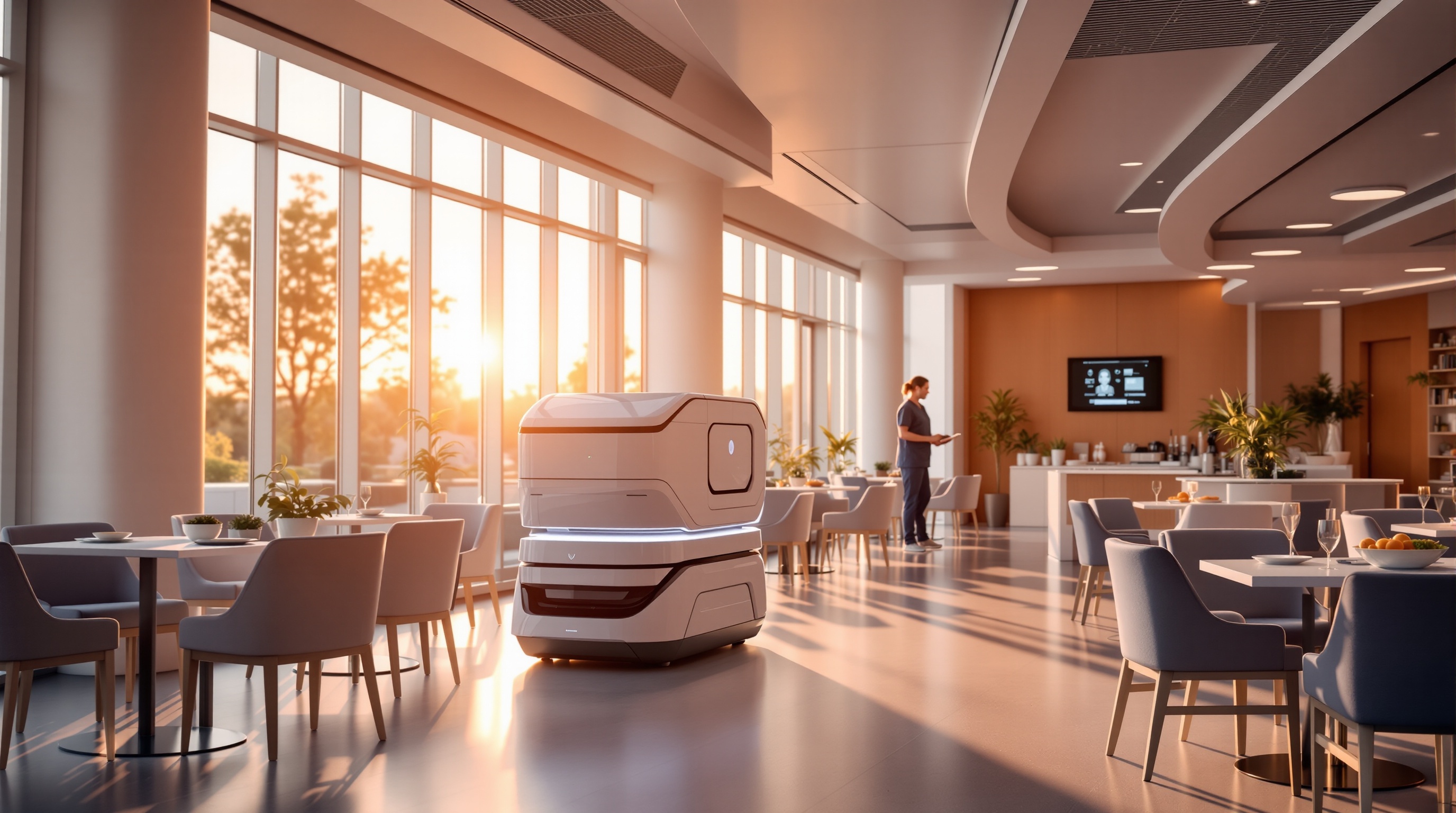
- Innovative robotic delivery systems and intelligent kitchen networks for efficient, prompt, and secure meal distribution
Vast integration potentials exist. AI-driven meal platforms can collaborate with pharmaceutical databases to preemptively manage potential food-drug interactions. They can also engage with digital platforms to gather patient insights and provide nutritional education. Within skilled nursing facilities, these integrations are crucial for streamlining operations, minimizing human errors, and allowing caregivers to prioritize face-to-face interactions.
The ultimate vision for AI in meal service coordination is a fully integrated, patient-focused ecosystem that extends beyond individualized nutrition. This includes optimizing supply chains to minimize waste, thereby supporting environmental stewardship and sustainability efforts. By harnessing AI, healthcare institutions can enhance the quality of nutritional care, elevate patient satisfaction, and achieve improved health outcomes, creating a more efficient and future-ready healthcare environment.
Embrace Tomorrow's Meal Service in Skilled Nursing Facilities
The integration of AI in meal service coordination marks a new era in the care provided at skilled nursing facilities. By leveraging technology for meal planning, nutritional assessment, and delivery systems, facilities can decrease the likelihood of errors, boost resident contentment, and maintain adherence to dietary standards. These advancements culminate in improved health outcomes, more efficient processes, and considerable cost reductions, all while empowering staff to deliver more individualized care.
As the demands of resident care grow more intricate and industry regulations become stricter, the necessity for adopting cutting-edge technology is more pressing than ever. Facilities that hesitate risk being overshadowed in terms of quality, operational effectiveness, and resident contentment. The moment is ripe to adopt AI-driven solutions that can refine your meal service operations, optimize efficiency, and safeguard your facility's future.
Ensure your facility gains a strategic advantage with the comprehensive solutions offered by InnovateAI. Benefit from seamless integration, exceptional support, and tangible improvements from the outset.
Eager to transform your meal service coordination? Get in touch with InnovateAI today or schedule a custom demo to discover how our system can elevate your skilled nursing facility. Empower your workforce, satisfy your residents, and pioneer healthcare innovation with InnovateAI.
What role does AI play in meal service for skilled nursing homes?
AI in meal services acts as an advanced tool to enhance efficiency by managing meal schedules, personalizing diet plans, and coordinating delivery. Utilizing artificial intelligence, these systems analyze data on individual dietary preferences and health needs to craft customized meal services, improving resident satisfaction and operational flow.
How does artificial intelligence enhance meal plan precision?
AI enhances precision by examining individual health data, allergies, and dietary choices to develop customized meal options adhering to nutritional standards. This not only minimizes errors but also guarantees that each resident receives nutritionally balanced meals aligned with their health needs.
Can AI technologies help minimize food wastage in nursing facilities?
Certainly, AI systems can predict food requirements by reviewing patterns in resident attendance and past consumption data. This leads to more precise meal quantities being prepared, thus reducing leftovers and effectively managing food resource costs.
Are AI meal service systems aligned with compliance standards?
Yes, AI meal service platforms are designed to meet all dietary and regulatory compliance needs, including those from healthcare governance bodies. They facilitate documentation and compliance checks, ensuring that facilities remain within legal and safety guidelines.
How straightforward is it to introduce AI meal services in a skilled nursing setting?
The transition to AI-enhanced meal services is typically smooth, as these systems are built to integrate effortlessly with existing healthcare and kitchen management frameworks. Implementation often involves staff training and system familiarization, with many vendors offering comprehensive support to ensure a successful deployment.