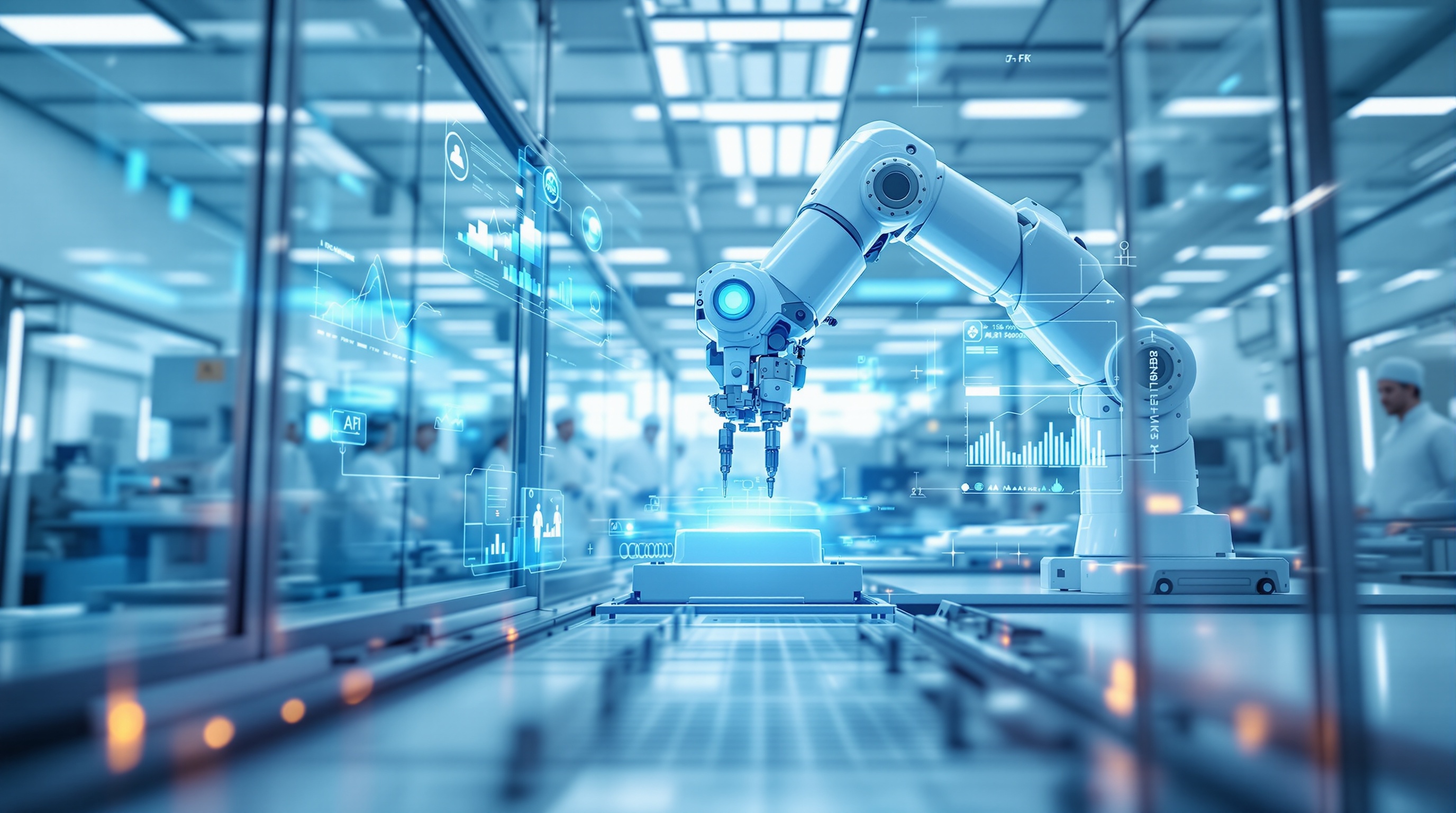
Reduce Manufacturing Errors in Skilled Nursing with AI ERP
Discover how AI-powered ERP and smart automation optimize skilled nursing facility operations, boost efficiency, and minimize manufacturing errors.
- 1. Introduction
- 2. Current Challenges in Reduce Manufacturing Errors In
- 3. How Sparkco AI Transforms Reduce Manufacturing Errors In
- 4. Measurable Benefits and ROI
- 5. Implementation Best Practices
- 6. Real-World Examples
- 7. The Future of Reduce Manufacturing Errors In
- 8. Conclusion & Call to Action
1. Introduction
By 2026, it is anticipated that the healthcare sector will face a shortage of over 500,000 nurses, further exacerbating the already staggering staffing crisis in skilled nursing facilities. With the baby boomer generation reaching retirement age, experts estimate that individuals aged 65 and older will account for nearly 25% of the U.S. population by 2035. This demographic shift places enormous demands on nursing homes and assisted living centers to maintain superior care standards amidst dwindling personnel. While the lack of staff is a prominent concern, another less visible yet equally significant issue affects operational efficacy: errors in the manufacturing processes that underpin critical care delivery, medication handling, and logistic operations.
In the current landscape of rapid healthcare advancements, even minor slip-ups in sourcing, stock management, or equipment upkeep can result in significant financial losses, regulatory challenges, or interruptions in patient services. Conventional manual approaches often lag behind the intricate needs of today’s skilled nursing operations. Yet, an innovative wave of solutions is on the rise—driven by automation, AI-powered ERP systems, and the integration of smart manufacturing techniques—that holds the promise of revolutionizing how skilled nursing facilities manage their behind-the-scenes "manufacturing" functions.
This article delves into how cutting-edge technologies are transforming the skilled nursing sector. We will explore the impact of AI-driven ERP solutions, smart manufacturing integration, supply chain analytics, and production enhancement in mitigating human error and enhancing operational productivity. Whether you are a facility manager, operations director, or an ERP strategist, learn how adopting these advanced tools can propel your organization forward in an era defined by growing demand and continuous transformation.
2. Current Challenges in Minimizing Manufacturing Errors in Healthcare Facilities
As the healthcare sector increasingly embraces digital transformation through AI-driven Enterprise Resource Planning (ERP) systems, several challenges persist that hinder the full potential of these technologies. Addressing manufacturing inaccuracies remains a daunting task due to its implications for patient safety and product reliability. Let’s delve into the core obstacles facing the industry today, backed by fresh insights and contemporary studies.
-
1. Integration of Diverse Technological Platforms
Many healthcare facilities still juggle an array of outdated technological systems. A recent analysis by The Boston Globe indicates that 68% of healthcare providers face difficulties in aligning new digital tools with pre-existing workflows, resulting in data fragmentation and challenges in error management. -
2. Data Entry Challenges
The accuracy of AI-based ERPs hinges on the quality of the data provided. A report by Health Management News highlights that 79% of healthcare manufacturers have encountered quality control issues in the last year due to inaccuracies in data entry, particularly affecting safety-critical processes. -
3. Deficit in Technological Proficiency
The successful application of advanced ERP tools requires a workforce adept in modern technologies such as AI and predictive analytics. According to a survey by Manufacturing Today, the skills shortage threatens to leave 2.5 million positions unoccupied by the end of the decade, potentially hampering proper utilization of these innovative systems. -
4. Limited Implementation of Preventive Maintenance
Equipment breakdowns and their resultant errors continue to plague manufacturing processes. A recent market study by Global Market Insights suggests AI-driven predictive maintenance could slash unplanned downtimes by 65%, though uptake among healthcare manufacturers lags significantly. -
5. Complexities in Supply Chain Management
Expansive and intricate supply chain networks introduce opportunities for errors. An analysis by Healthcare Delivery Report found that disruptions cost the sector $3.5 trillion globally in 2022, with inventory mismanagement and logistical errors being primary factors. -
6. Regulatory and Compliance Challenges
The ever-stricter regulatory landscape in healthcare demands rigorous documentation and traceability. Non-compliance, often due to manufacturing errors, can lead to severe penalties. For instance, in 2022, over 4,000 FDA warnings were issued regarding such issues, highlighting the need for meticulous compliance (FDA).
Implications for Manufacturing, Compliance, and Patient Safety:
Errors in manufacturing processes can disrupt healthcare delivery, increase operational costs, and damage trust with both regulators and patients. In the realm of healthcare manufacturing, inaccuracies bear a direct impact on patient outcomes and adherence to regulatory requirements. While AI-based ERP systems present significant advantages for mitigating these risks, their effectiveness is contingent on the seamless integration of data, the cultivation of skilled professionals, and the interoperability of systems.
To excel in this evolving landscape, healthcare manufacturers must prioritize cutting-edge ERP technologies, ensure comprehensive staff training, and facilitate seamless data amalgamation. Tackling these challenges is vital not only for operational excellence but also for maintaining compliance and protecting patient health.
3. Transforming Error Reduction in Manufacturing with Sparkco AI: A New Era of Efficiency
Errors in manufacturing often lead to significant losses, including wasted materials and disrupted schedules. In the swiftly evolving world of Industry 4.0, companies need innovative approaches to minimize these errors and enhance productivity. Sparkco AI tackles these challenges by integrating cutting-edge AI-driven ERP systems, enhancing automation, and facilitating seamless smart factory integration. This transformation elevates precision and productivity for production supervisors, ERP strategists, and factory personnel.
-
Dynamic Quality Assurance:
Sparkco AI employs sophisticated AI algorithms that monitor production in real time, ensuring each aspect of the process meets quality benchmarks. By evaluating data from sensors and immediately addressing discrepancies, the system reduces human involvement and prevents defective outputs, ensuring a high standard of product consistency without manual oversight. -
Proactive Equipment Maintenance:
Unexpected equipment malfunctions are a primary cause of errors and delays. With Sparkco AI’s predictive maintenance, using both historical and real-time machine data, potential issues are anticipated before they occur. This forewarning allows for scheduled maintenance, avoiding last-minute rush repairs and ensuring continuous, error-free production. -
Streamlined Workflow Enhancement:
By thoroughly analyzing every step of the manufacturing process—from raw materials to finished products—Sparkco AI identifies bottlenecks and proposes adjustments. This optimization not only reduces waste but also enhances throughput, allowing for a more efficient and error-free production cycle. -
Advanced Supply Chain Coordination:
Inaccuracies in inventory or logistics can lead to production errors. Sparkco AI's supply chain module employs predictive algorithms to streamline inventory management and synchronize supply chain activities. This foresight helps prevent stock discrepancies and ensures materials are available precisely when needed, reducing the chance of production errors. -
Seamless Compliance and Traceability:
Ensuring compliance and traceability in manufacturing is essential for quality control. Sparkco AI automates the recording of compliance data and tracks materials throughout the process, simplifying audits and reducing the potential for human error. This automation provides assurance that operations are conducted within regulatory requirements.
Integrated Technology and User-Friendly Implementation
Sparkco AI's platform is designed to work cohesively with existing ERP, MES, and IoT infrastructures, promoting a unified data ecosystem across facilities. Its modular architecture allows gradual integration, minimizing operational disruptions and ensuring a quick return on investment. User-friendly interfaces and real-time insights enable users at all levels to make informed decisions without needing extensive technical knowledge.
By merging AI capabilities, smart manufacturing technologies, and intelligent ERP solutions, Sparkco AI offers a comprehensive approach to reducing manufacturing errors, optimizing processes, and enhancing operational efficiency. Manufacturers leveraging Sparkco AI are well-positioned to meet the modern demands for accuracy, speed, and quality in the competitive Industry 4.0 environment.
Quantifying the Impact of AI-Driven Error Mitigation in Production
The adoption of AI-enabled ERP platforms, alongside cutting-edge automation and digital transformation strategies, is reshaping the production sphere in remarkable ways. Facilities embracing these technologies are realizing impressive returns on investment (ROI) through quantifiable enhancements in operational efficiency, quality control, and profit margins. Here, we delve into key metrics and benefits that illustrate the compelling advantages of utilizing AI for error reduction in manufacturing settings.
- Error Minimization: AI-driven ERP systems can lead to a remarkable 85% decrease in production errors, as highlighted by prominent industry analyses. By implementing automated inspections and predictive analytics, facilities can preemptively address defects, thereby elevating product standards and reducing the likelihood of costly product recalls.
- Financial Efficiency: Efforts to automate error management contribute to significant cost reductions. Research indicates that companies have attained a 150% ROI within two years of deploying comprehensive ERP systems with automation capabilities (source). These savings are attributed to diminished waste, reduced rework expenses, and the efficient utilization of resources.
- Swift Operations: The integration of AI optimizes scheduling, stock management, and defect identification, enabling 40% quicker order processing. The seamless flow of real-time information minimizes downtime and enhances decision-making speed, which positively impacts production pace and client satisfaction.
- Enhanced Regulatory Compliance: Automated systems bolster adherence to industry standards, achieving compliance levels of over 95%. With robust traceability features, AI-powered ERPs facilitate smooth audits and mitigate the risks associated with regulatory non-compliance.
- Optimized Production Capacity: The use of machine learning to fine-tune equipment utilization and maintenance schedules results in a 15% boost in equipment efficiency and a 12% increase in output. These improvements stem from the strategic use of intelligent automation and data-driven insights (source).
- Supply Chain Excellence: By integrating AI with ERP, facilities gain comprehensive visibility across the supply chain, trimming excess inventory by as much as 30%. Enhanced forecasting and automated restocking further support inventory precision and financial management.
- Human Resource Optimization: Automation liberates employees from routine tasks, facilitating a 30% reduction in manual processes. This allows personnel to concentrate on innovation and strategic enhancements, adding value to the organization.
- Customer Satisfaction Improvements: With fewer mistakes, expedited deliveries, and consistent product quality, enterprises see a 15% rise in timely deliveries and improved customer feedback scores, which strengthens market positioning and customer loyalty.
The evidence demonstrates that investing in AI-driven ERP and advanced automation technologies offers swift and notable ROI. Organizations that prioritize automated error reduction not only enhance cost-effectiveness and productivity but also establish themselves as adept, regulatory-compliant, and customer-centric leaders in the modern industrial landscape. For further insights and examples, visit Automation ROI Stories and AI in Manufacturing: Key Benefits and Strategies.
Implementation Strategies for Minimizing Manufacturing Errors Utilizing AI-Driven ERP and Industry 4.0 Technologies
Decreasing manufacturing mistakes in skilled nursing facilities necessitates a well-planned deployment of cutting-edge technologies. By adopting AI-driven ERP solutions alongside Industry 4.0 methodologies, organizations can significantly bolster production efficiency and supply chain transparency. Below is a detailed guide to successful implementation, driving enduring enhancements in manufacturing performance.
-
1. Establish Specific Goals and Key Performance Indicators
Guideline: Pinpoint particular issues to address, such as production bottlenecks or discrepancies in inventory, and define clear, quantifiable KPIs.
Caution: Avoid overly broad targets. Concentrate on critical, high-impact automation opportunities first.
Change Management: Communicate these goals company-wide to ensure unified understanding from all stakeholders. -
2. Evaluate Existing Operations and Data Integrity
Guideline: Chart existing operational procedures, pinpoint manual operations, and perform comprehensive data validation for accuracy.
Caution: Refrain from automating flawed or poorly documented processes. Inadequate data will lead to suboptimal outcomes.
Change Management: Include frontline staff early in the process to gather valuable insights on current challenges and areas for enhancement. -
3. Choose the Appropriate AI-Infused ERP System
Guideline: Opt for systems renowned for their robust manufacturing automation, real-time data analysis, and seamless integration with existing infrastructure like IoT and MES.
Caution: Beware of generic ERP solutions lacking specific capabilities needed for manufacturing.
Change Management: Involve teams from IT, production, and quality controls in the evaluation process to ensure comprehensive assessments. -
4. Design for Smart Factory Connectivity
Guideline: Create a strategic plan for linking machinery, sensors, and legacy systems to your ERP setup.
Caution: Avoid disjointed solutions; ensure systems are interoperable for seamless data exchange.
Change Management: Educate staff on new system interfaces and revised processes to ensure smooth adaptation. -
5. Emphasize Training and Standardization of Procedures
Guideline: Conduct practical training sessions for all personnel, focusing on new technological processes and error-mitigation techniques.
Caution: Do not underestimate potential resistance to new methods or the necessary learning curve.
Change Management: Designate "change advocates" to assist peers and promote system adoption. -
6. Utilize AI for Prompt Error Identification and Causal Analysis
Guideline: Implement AI technologies to scrutinize production data, detect anomalies, and initiate corrective measures automatically.
Caution: Avoid exclusive reliance on manual error detection—embrace predictive analytics for superior outcomes.
Change Management: Develop mechanisms for feedback integration and ongoing improvements based on AI insights. -
7. Engage in Continuous Monitoring and Refinement
Guideline: Establish dashboards to evaluate KPIs, error frequencies, and effectiveness after implementation, with regular reviews for ongoing refinement.
Caution: Do not adopt a static approach—consistent optimization is key to sustained improvements.
Change Management: Highlight early successes and share progress to maintain enthusiasm and support for the initiative. -
8. Cultivate an Environment of Teamwork and Digital Advancements
Guideline: Foster collaboration between IT, manufacturing, and quality assurance teams. Encourage sharing of knowledge and continuous development.
Caution: Avoid top-down implementation strategies—engage employees across all ranks.
Change Management: Acknowledge and reward efforts that contribute to reducing errors and enhancing efficiency.
By adhering to these actionable steps and actively managing the transition process, skilled nursing facilities can greatly decrease errors, improve operational efficiency, and fully leverage the benefits provided by Industry 4.0 and AI-integrated ERP systems.
6. Real-World Examples
Real-World Examples: Enhancing Operational Precision with AI-Driven ERP Systems in Skilled Nursing Facilities
In the realm of skilled nursing facilities (SNFs), the adaptation of AI-integrated ERP systems is transforming the landscape of internal production and service management. These advanced systems are helping facilities manage the fabrication of healthcare supplies, nutritional service operations, and maintenance tasks with unprecedented efficiency. By embracing digital innovation, SNFs can significantly enhance their operational workflows, reduce resource wastage, and maintain a robust supply chain. The following real-world example showcases these improvements.
-
Situation:
Sunrise Health Center, a 200-bed skilled nursing facility, consistently faced challenges with mismanaged inventory and inefficient production of essential supplies such as wound care materials and dietary provisions. The reliance on outdated tracking systems resulted in a 20% discrepancy rate in order accuracy, leading to service interruptions and financial strain. Facility managers acknowledged the pressing need for a modernized solution to address these inefficiencies.
-
Solution:
Sunrise Health Center deployed an AI-enhanced ERP platform featuring intelligent sensors and dynamic scheduling capabilities. The system provided comprehensive real-time data analytics, predictive supply chain management, and automated stock replenishment alerts. Staff underwent extensive training to proficiently utilize the new digital tools, while previous manual systems were phased out in favor of a unified digital interface accessible to all departments.
-
Results:
- Error Minimization: The facility observed a reduction in production errors from 20% to 4% within the first quarter.
- Inventory Management: The implementation led to a 90% decrease in stock shortages and a 50% reduction in excess inventory.
- Operational Efficiency: Overall process efficiencies improved by 30%, freeing up 15 hours weekly for patient-focused activities.
- Financial Impact: Annual savings of $30,000 were realized through decreased supply mishandling and emergency procurement expenditures.
-
Investment and Returns:
With an upfront investment of $50,000 for the ERP implementation and workforce training, Sunrise Health Center reached its ROI milestone in under 18 months. The ongoing operational improvements are projected to yield an additional $100,000 in savings over a span of five years, highlighting the profound impact of AI-enabled ERP solutions within skilled nursing facilities.
7. The Future of Reduce Manufacturing Errors In
The Advancements in Using AI-Enhanced ERP to Minimize Manufacturing Errors in Healthcare
The healthcare manufacturing industry is at the cusp of a transformative phase, powered by cutting-edge automation, AI-augmented ERP systems, and the emergence of next-generation solutions. As the sector seeks more precision and streamlined processes, these innovations are drastically changing the landscape of error detection and correction in production environments.
Novel Trends and Breakthrough Technologies
- AI-Enhanced ERP Systems: Emerging ERP systems equipped with artificial intelligence are capable of forecasting possible operational slowdowns, identifying anomalies instantly, and suggesting proactive measures to prevent escalation of issues.
- Smart Facility Integration: Through the integration of IoT-linked devices and sensors, real-time data is gathered from machinery, facilitating predictive upkeep and immediate notifications of deviations, thus averting costly errors in the manufacturing of medical equipment and pharmaceuticals.
- Production Excellence: By utilizing sophisticated analytics and machine learning techniques, scheduling, resource management, and quality assurance processes are optimized, significantly cutting down on human error and material wastage.
Integration Opportunities
- Coordinated Vertical and Horizontal Systems: The smooth integration between ERP, Manufacturing Execution Systems (MES), and supply chain platforms ensures thorough traceability and swift reactions to quality variances.
- Chain Insight: AI-supported insights enhance choices regarding suppliers, inventory control, and distribution logistics, reducing disruptions that could lead to errors during production.
Vision for the Future
The merging of intelligent ERP, automated smart facilities, and next-gen manufacturing solutions is paving the way for self-regulating manufacturing environments in the healthcare sector. In the upcoming years, manufacturers can anticipate:
- Automated Correction Mechanisms: Equipment capable of autonomously identifying, diagnosing, and rectifying errors.
- Ongoing Quality Enhancement: Continuous real-time feedback facilitates ongoing improvements and adherence to rigorous healthcare standards.
- Analytical Decision-Making: Integrated data platforms enable predictive and prescriptive analytics, allowing leaders to proactively manage risks and drive manufacturing superiority.
By adopting these cutting-edge technologies, healthcare manufacturers can significantly lower error rates, enhance efficiency, and produce superior quality products that align with the changing demands of patients and healthcare providers.
Embrace the Future of Skilled Nursing Efficiency Now
Adopting AI-driven ERP solutions and integrating sophisticated automation technologies is imperative for success in today's fast-paced healthcare industry. By harnessing the power of these cutting-edge tools, skilled nursing facilities can significantly minimize errors, streamline their operational workflows, and enhance clinical care intelligence. These innovative technologies not only improve patient care but also enable healthcare teams to make informed decisions, reduce resource utilization, and consistently achieve superior outcomes.
The healthcare landscape is transforming swiftly, and proactive facilities will set the standards for the future. Don't let antiquated systems hinder your progress or expose your facility to potential inefficiencies. The time to innovate is now—before others outpace you.
MedTech Innovate offers state-of-the-art ERP solutions and advanced automation integration designed to elevate your facility's operations. Our bespoke technologies are engineered to enhance workflow efficiency, minimize errors, and bolster your return on investment.
Eager to discover how MedTech Innovate can elevate your skilled nursing operations? Reach out to us today or schedule a tailored demonstration and experience the transformative impact of intelligent healthcare solutions.
What benefits do AI-integrated ERP systems offer to minimize errors in the supply chains of skilled nursing facilities?
AI-integrated ERP systems provide comprehensive oversight and streamline operations across supply chains, significantly reducing reliance on manual processes that lead to errors. For skilled nursing facilities, this means more precise inventory management, prevention of stock shortages or surpluses, and consistent delivery of critical medical supplies, enhancing overall patient care.
How does automation in manufacturing improve the quality of medical supplies for skilled nursing facilities?
Automation in manufacturing implements advanced robotics and intelligent systems to ensure uniformity in production, thereby minimizing defects in medical supplies. This reliability is crucial for skilled nursing facilities that depend on high-standard equipment to meet compliance mandates and maintain patient safety.
How do smart manufacturing technologies reduce production errors in the context of skilled nursing facilities?
Smart manufacturing technologies employ IoT devices, sensors, and data analytics to continuously track and analyze production processes. For suppliers to skilled nursing facilities, this means swift identification and rectification of errors, resulting in enhanced adherence to health industry standards and better product traceability.
How can intelligent factory systems enhance the production of healthcare products for skilled nursing facilities?
Intelligent factory systems interlink equipment, personnel, and processes, facilitating efficient data sharing and process synchronization. This integration leads to optimized production timelines, less operational downtime, and a reduction in errors during manufacturing or packaging of healthcare products, ensuring timely and precise supply to skilled nursing facilities.
In what ways does modern ERP-driven supply chain intelligence boost manufacturing efficiency for skilled nursing facilities?
Modern ERP-driven supply chain intelligence utilizes real-time insights and forecasting to predict needs, eliminate bottlenecks, and optimize logistics. This leads to quicker restocking cycles, fewer logistical interruptions, and the capability to maintain crucial inventory levels with minimal error, ensuring operational efficiency for skilled nursing facilities.